A patient walked into a clinic on a Monday, complaining her heating pad wasn't doing anything for her shoulder. The therapist grabbed a different one off the shelf. Fifteen minutes in, she said something felt different. Hers was dry. This one was moist.
Small difference on paper felt like a big one to her. Dry heat sits on the skin. Moist heat gets under it, into the actual tissue, and that's basically why a digital moist heating pad tends to outperform a plain dry one when the pain's real.
What Is Moist Heat Therapy and How Does It Work?
Short version of how a moist heat pack works: water carries heat better than dry air. Warmth gets into the muscle faster, goes in deeper. That's most of the mechanism right there.
Deeper heat opens blood vessels wider, circulation increases in that spot, and blood starts clearing out the waste sitting in that area, causing inflammation and pain.
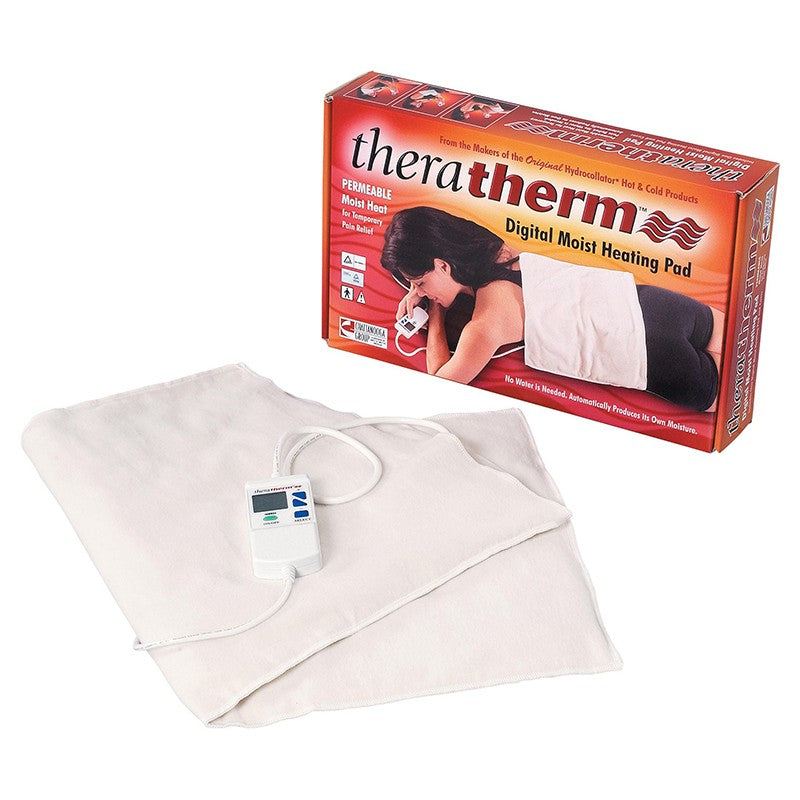
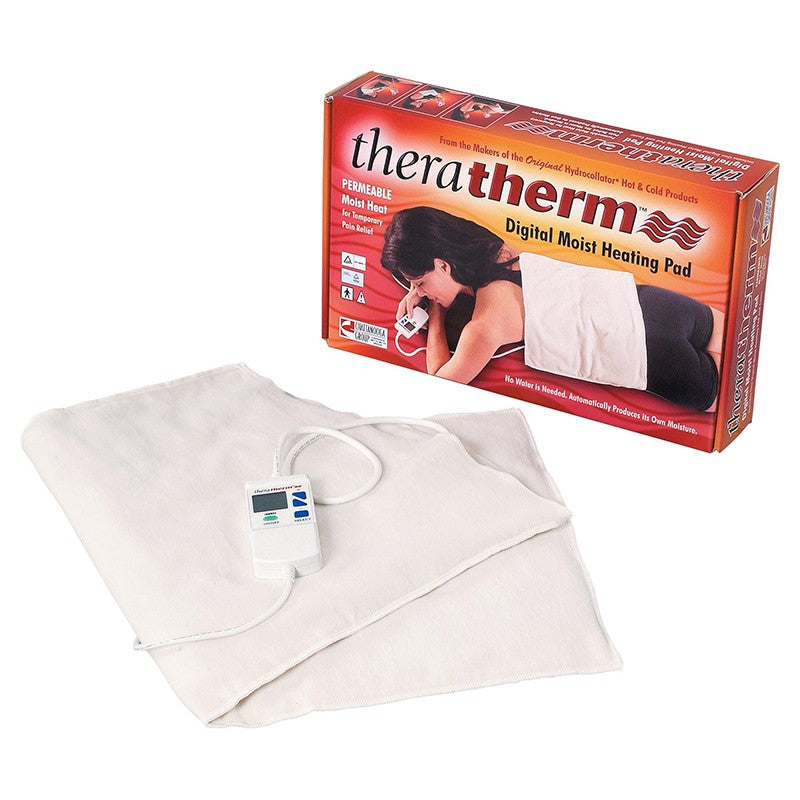
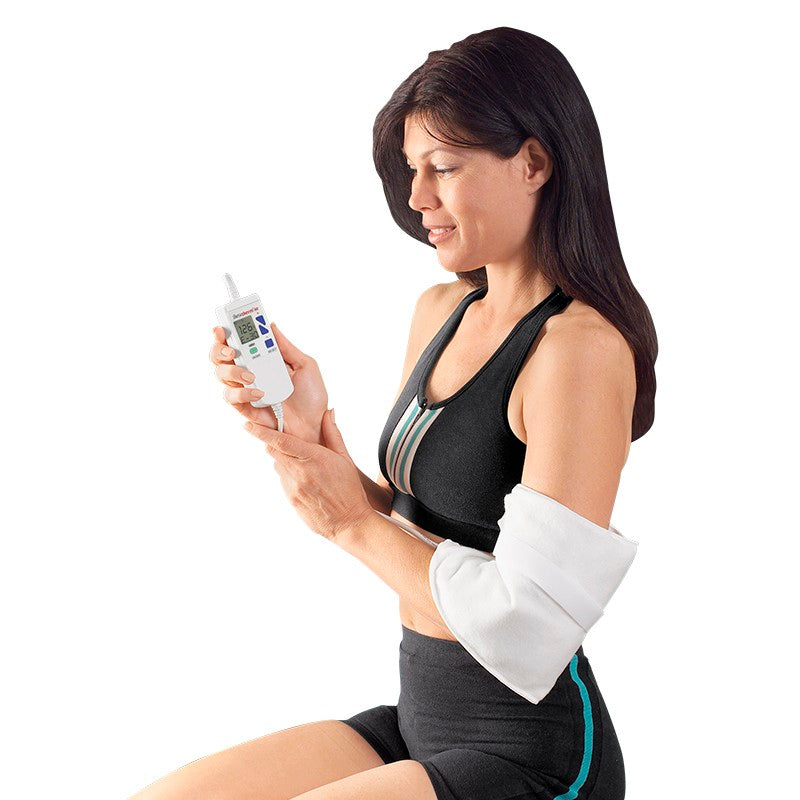
Old packs needed soaking or boiling first, drying towels, and reheating every twenty minutes or so. Anyone who has run a busy clinic knows how time-consuming it can be with patients booked back to back. Electric moist heating pads skip that step now. The cover's usually flannel, sometimes cotton, and it pulls moisture straight out of the room's own humidity. Switch it on, that moisture becomes warmth against the skin. Nothing added, nothing to refill mid-shift.
Moist Heat vs. Dry Heat: Which Is Better?
For most day-to-day aches, moist heat comes out to be better. A dry electric pad warms the surface, sure, but the muscle underneath barely notices. A moist heat therapy pad running
about the same temperature reaches further in, part of why physios go straight for moist heat to treat spasm or that stubborn, nagging tension.
Dry heat's still got its uses. Quick warmth before a stretch works fine either way. But for actually loosening something tight, or settling arthritic pain over a longer stretch, moist heat gets there quicker, and the relief lasts longer once the pad's off.
How to Choose a Moist Heating Pad
Two people buy the same heat therapy pack off the same listing. One's annoyed with it inside a month. The other's still using theirs years later. Difference usually comes down to whether they checked a few things first.
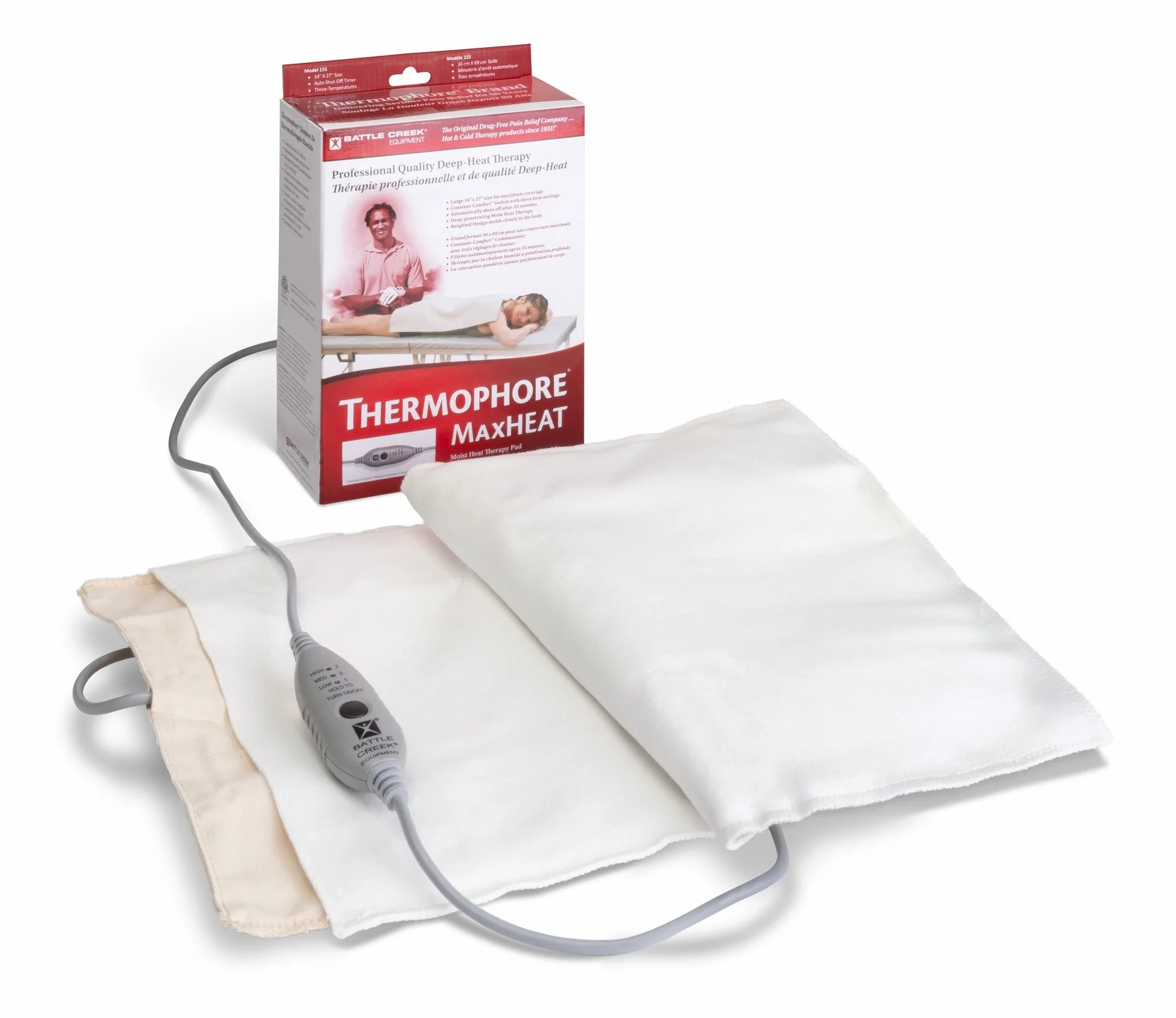
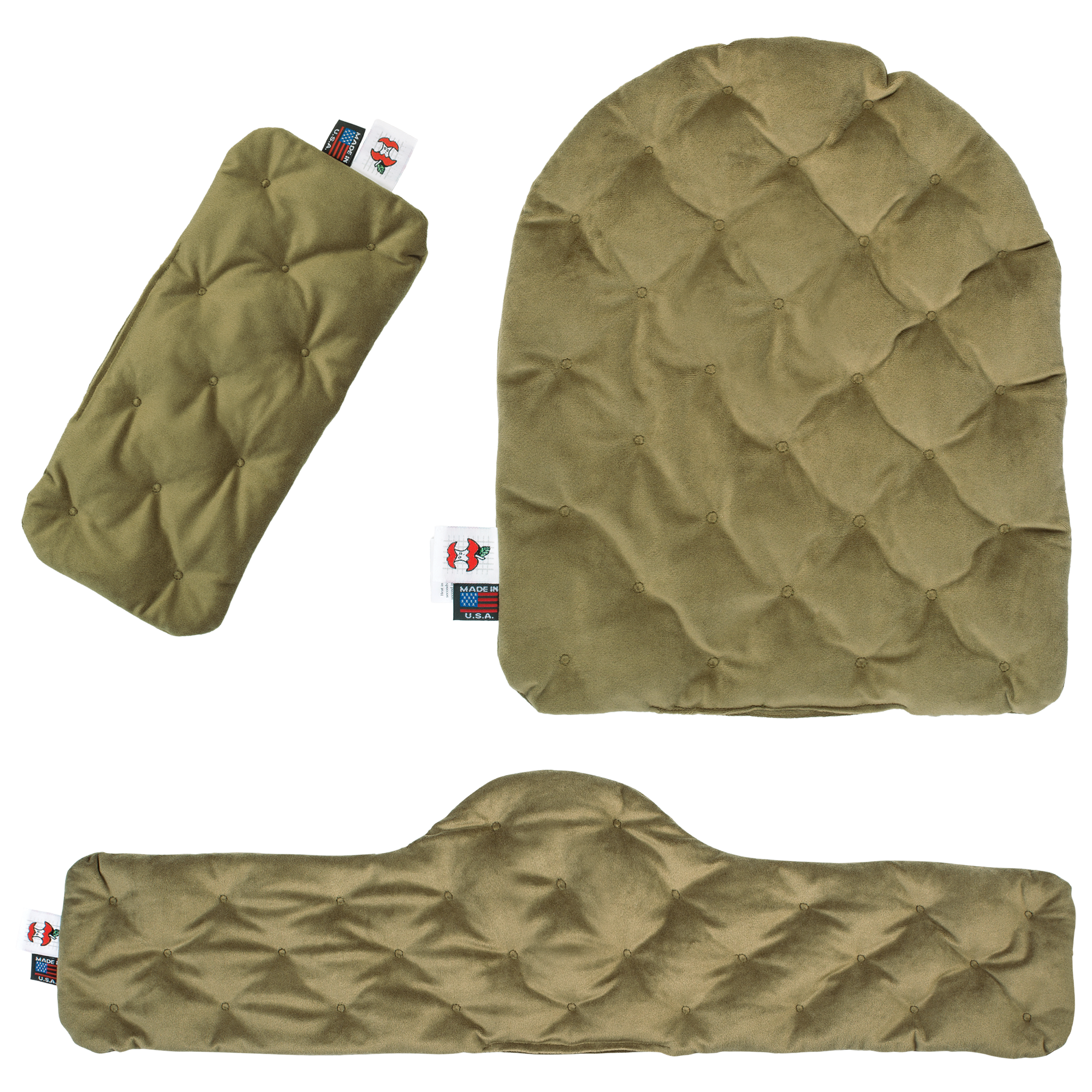
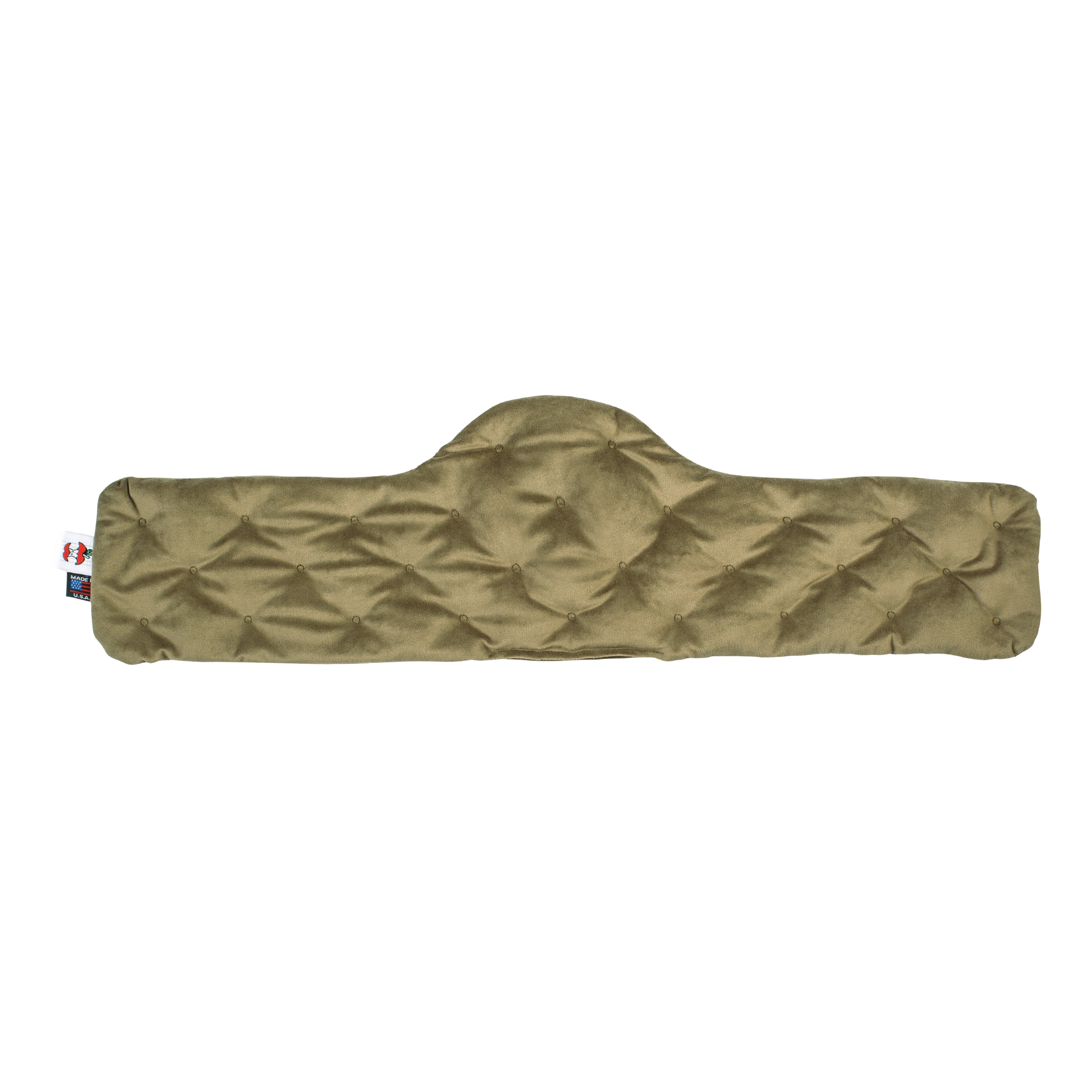
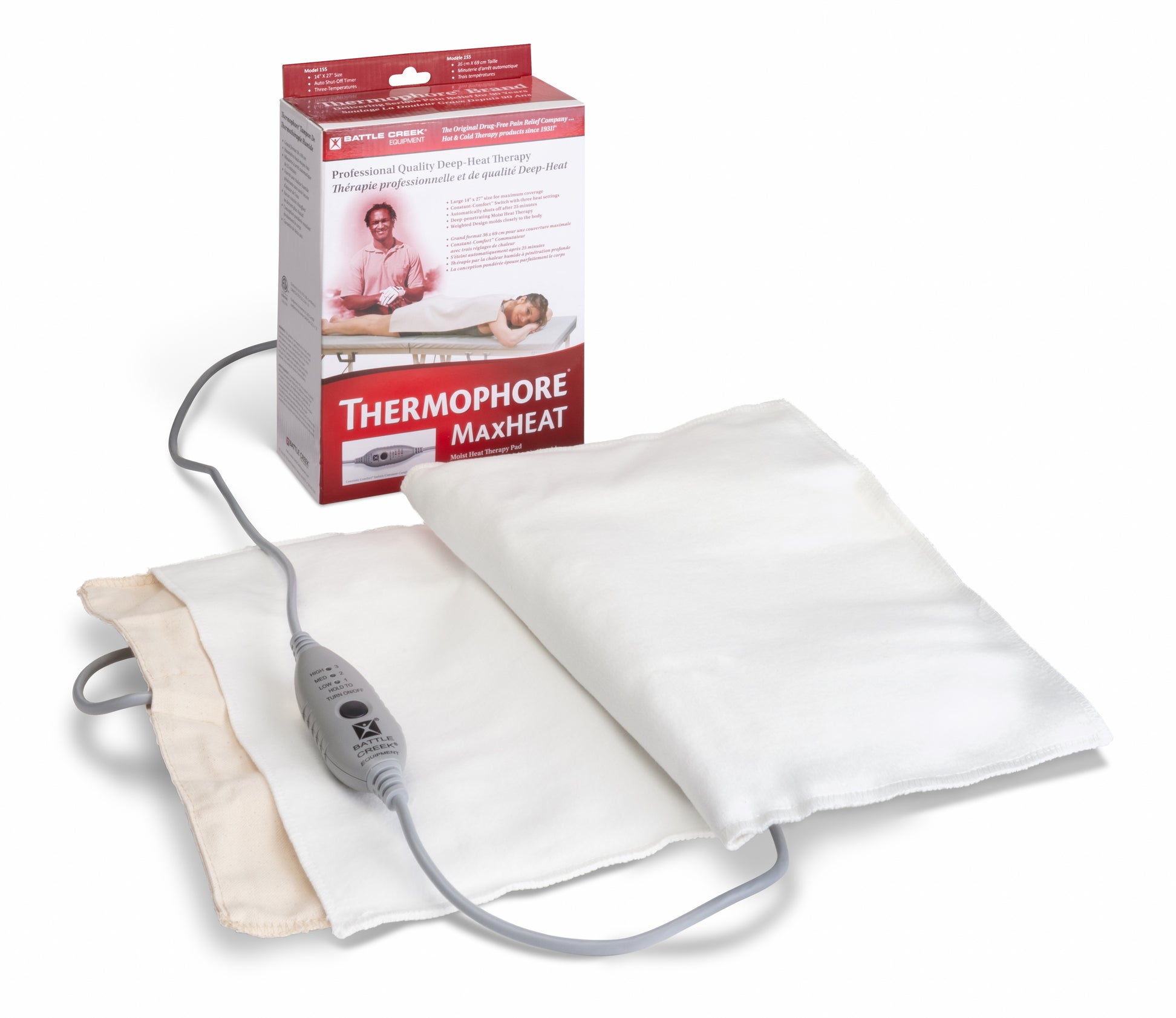
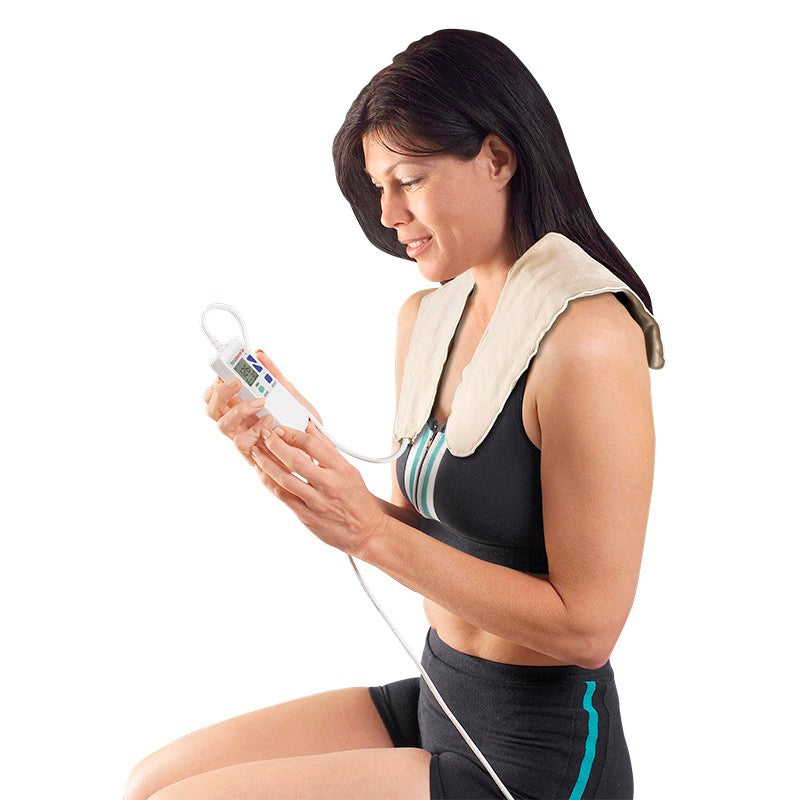
Size, for one. A 14 by 27 inch pad covers a full back or wraps a hip fine. A neck and shoulder shape built for that area does one job right instead of every job halfway. Buy for wherever it's actually going to spend most of its time.
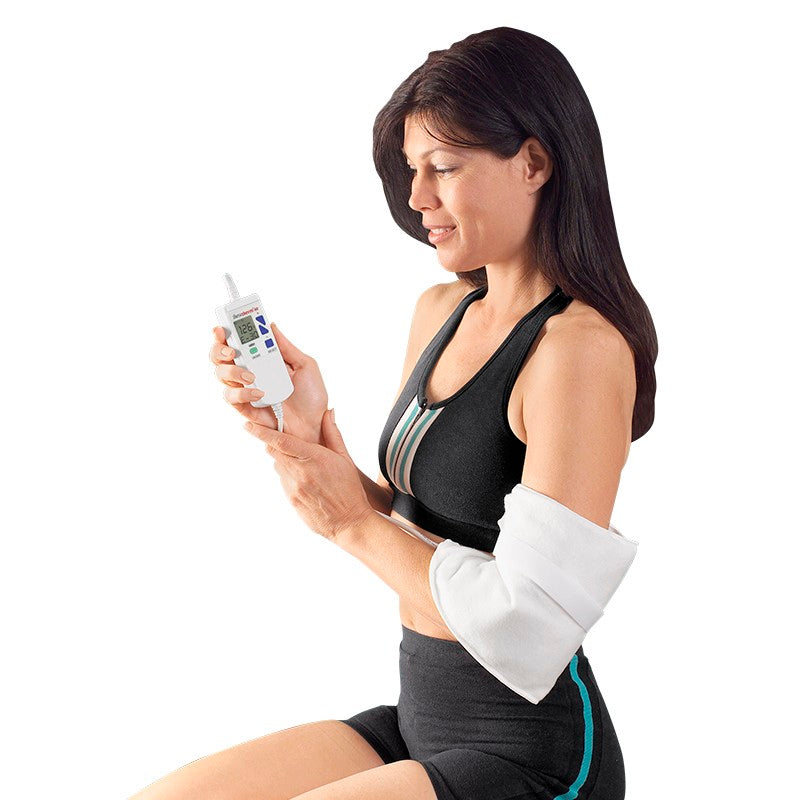
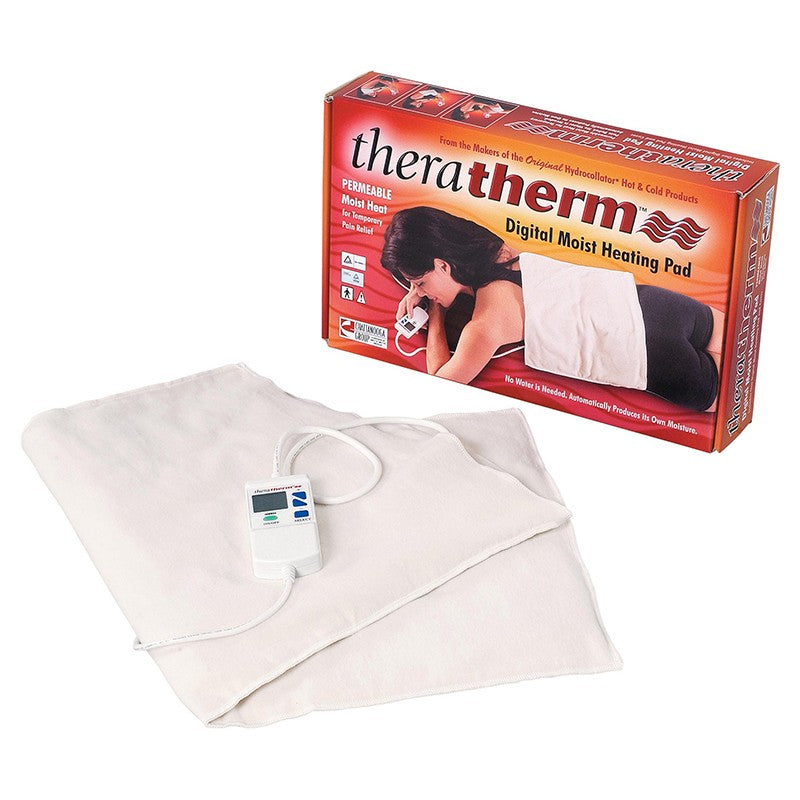
Temperature control's next. Digital over a plain high-low dial, every time. Doesn't sound like much until you've dialed in an exact number on a screen versus guessing where the dial's
pointing.
Auto shut-off matters more than people think. A pad running for hours with nobody watching is an actual risk, not just fine print nobody reads. Twenty-five, thirty minutes of auto-off isn't holding the thing back. That's the safety feature doing its one job.
Then there's where the moisture comes from. Some pads pull it from the room automatically. Others need a damp cloth if you're somewhere dry, common enough in a Canadian winter.
Neither's the wrong answer. Just know which one you've got.
Theratherm vs Thermophore Compared
Two names that come up again and again in this space, and for a reason. They're the biggest players in clinical-grade moist heat by a wide stretch.
Theratherm's a sand-filled pad in a cotton or flannel cover. Sand spreads the heat evenly and adds enough weight that it stays on a shoulder instead of sliding off mid-session. Runs roughly 86 to 166 degrees Fahrenheit, with a digital hand control that locks time and heat both, so nothing shifts on you partway through.
Thermophore's a similar no-water setup but uses weighted fleece instead of sand. Hotter at the top, up near 165 degrees, and that extra heat's a big part of why doctors have leaned on it for years for the stubborn cases.
A clinic booking patients into twenty-minute blocks all day usually leans Theratherm, nothing to reset between appointments. Someone treating themselves at home tends to reach for Thermophore instead, less fiddling before they just lie down. Both are legitimate digital moist heating pad choices, well past the basic pads that just warm the surface.
Safety & Usage Guidelines
Twenty to thirty minutes, cloth between the pad and skin every time, no exceptions. Don't lie on a hot pad with nobody around. Avoid when there’s broken skin, active inflammation, or reduced sensation because that's where burns go unnoticed. Diabetes or circulation issues, talk to a doctor first, since numbness can cause a burn without you even realising.
Insurance & Clinics (Canada)
Plenty of Canadian extended health and HCSA plans reimburse therapeutic heating pads bought through a registered supplier, sometimes with a provider's note attached. Clinics buying in bulk, or billing through WSIB, ODSP, or private insurers, usually get these approved easier as part of a treatment plan already underway.
Frequently Asked Questions
1. How long should I use a moist heating pad?
Twenty to thirty minutes, stick to that range. Longer doesn't add much benefit and raises your odds of irritated skin by the end of the session.
2. Do moist heating pads need water?
Theratherm doesn't. It pulls moisture from the air on its own, so there's nothing to fill or boil before each use.
3. Is moist heat better than dry heat for back pain?
Usually, yes. Gets deeper into the muscle, settles spasm and stiffness faster than heat that just sits on the surface without sinking in.
4. Are moist heating pads covered by insurance in Canada?
Often, especially under extended health or HCSA plans. Tends to go smoother when bought from a supplier your clinic already works with.
5. Can I sleep with a moist heating pad on?
No. Auto shut-off exists because overnight unsupervised use is exactly when burns happen. Use it before bed, then switch it off yourself.
6. What size heating pad do I need for my back or neck?
Full back, go with 14 by 27 inches. Neck and shoulders needs its own shape entirely, since a contoured pad stays put instead of sliding the way a flat one does.
7. Do you ship across Canada? How fast?
Yes. Physio Supplies Canada ships coast to coast, with most orders arriving within a few business days, depending on where you're located.