Menu


Chiropractic Tables For Clinic
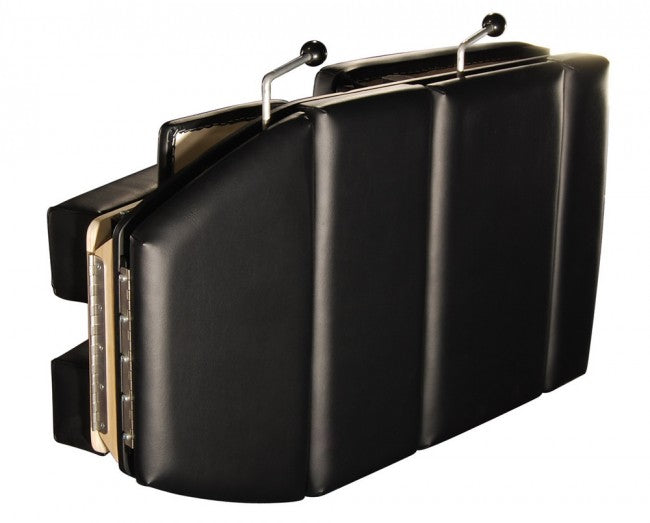
MediSports Portable Chiropractic Drop Table


MEDISPORTS
MediSports Portable Chiropractic Drop Table
- Price
- From $499.00
ES2000 Gen II Elevating Table with Auto-Cocking


Physio supplies canada
ES2000 Gen II Elevating Table with Auto-Cocking
- Price
- $8,611.00
CHIRO-5E Electric Elevation Table


Physio supplies canada
CHIRO-5E Electric Elevation Table
- Price
- From $3,084.00
CHIRO-5P Hydraulic Pump Elevation Table


Physio supplies canada
CHIRO-5P Hydraulic Pump Elevation Table
- Price
- From $2,940.00
CHIRO-4 Stationary Chiropractic Table


Physio supplies canada
CHIRO-4 Stationary Chiropractic Table
- Price
- $1,791.00


ELITE Manual Pump Control Elevation Table


Elite
ELITE Manual Pump Control Elevation Table
- Price
- From $2,251.00


Medisports Stationary Chiropractic Drop Table/Bench


MEDISPORTS
Medisports Stationary Chiropractic Drop Table/Bench
- Price
- From $1,185.00
What’s and Why’s of Chiropractic Tables Canada
Buying a chiropractic table is not a small decision. It sits at the centre of every treatment you deliver. Patients notice it before they notice anything else in your room. It affects how you position, how you adjust, and how your body holds up across a full day of appointments.
Get it right and it disappears into the background, the way good equipment always does. Get it wrong and you are working around it every single session.
This page covers what Canadian chiropractors actually need to know before ordering: the table types, the specs that matter, what separates a clinic-grade unit from something that looks similar on paper but falls apart under daily use, and why more Canadian practices are ordering through Physio Supplies Canada.
Chiropractic Tables in Canada: What Clinic Owners Need to Know
The Canadian chiropractic market has specific demands that do not always line up with what American or overseas suppliers are building toward. Space is a real constraint in many Canadian clinic setups, particularly urban practices in Toronto, Vancouver, Calgary, and Montreal, where treatment rooms run smaller than the open-plan American clinic model.
Portability matters more here than it does in markets where practitioners tend to stay in one location. And durability expectations are high, Canadian chiropractors are not replacing equipment every few years if they can avoid it.
A chiropractic table in a working clinic takes a serious amount of pressure. Weight load cycles, repeated drop section use, upholstery stress from patients shifting position, frame stress from high-force adjustments, a table that is not built for this degrades fast and creates liability.
The difference between an entry-level unit and a properly specified clinic table is not visible in a product photo. It shows up at the six-month mark when the drop mechanism starts catching, or at two years when the upholstery is splitting at the seams and the hydraulic lift is losing pressure.
The right table maintains its drop mechanism performance over time, keeps its tolerance with the load, uses upholstery that was rated for clinic conditions from day one, and carries your full patient range without running at its ceiling. After that, it comes down to portability, section count, and whether manual or powered height adjustment works for how you run your day.
Types of Chiropractic Tables We Carry in Canada
Physio Supplies Canada carries both portable and stationary chiropractic tables, with options suited to solo practitioners, multi-practitioner clinics, and mobile or home-visit practices.
Portable Chiropractic Drop Tables
The one thing a portable chiropractic table has to do is fold, travel, and perform exactly the same as it did before. That sounds straightforward. In practice, it is where most cheaper portable tables fall short.
A table that loosens at the hinges after six months of regular folding is not a portable clinical tool, it is a liability. The drop sections have to hold their tension setting through repeated pack-and-deploy cycles, and the frame has to stay rigid under adjustment force even after hundreds of setups.
The portable tables at Physio Supplies Canada are built for practitioners running between locations, managing satellite clinics, or storing equipment between sessions. Frame weight is kept manageable without sacrificing the stability you need when delivering an adjustment. One person can move and set up without help, and the drop mechanism performs the same at session one as it does at session fifty.
Upholstery on a portable table takes a different kind of pressure than a fixed clinic table. It bends at fold points, picks up more surface contact in transit, and deals with humidity changes between locations. Cheap vinyl cracks at the creases within months. The portable tables here use cover material that flexes through the fold without breaking down and holds up to the surface wear that comes with being moved regularly.
Stationary Chiropractic Drop Tables
When the clinic is fixed and the volume is consistent, a stationary table is the right investment. Without the weight and fold constraints of a portable unit, the frame can be built heavier, the drop sections can be braced more solidly, and the height adjustment can be motorised without making the table impractical to move.
The stationary range at Physio Supplies Canada covers manual and powered height options, multiple section configurations, and tables designed for specific techniques, including flexion-distraction. Drop sections on a fixed table stay calibrated longer because they are never being folded and redeployed. The frame handles more cumulative load cycles. The padding can be built for patient comfort in longer sessions rather than stripped back to keep travel weight down.
For practitioners sharing a room or running back-to-back appointments across a full day, powered height adjustment stops being a convenience and starts being a necessity. Cranking height manually between every patient adds up across a full schedule, in time and in physical strain on the practitioner.
Flexion-distraction tables sit in their own category. The caudal section drops and distracts under tension, built specifically for the Cox Technique and lumbar decompression work. If this is part of how you treat, a standard drop table does not cover it; you need the right tool for the technique.
What to Look for in a Chiropractic Table
Weight capacity is the first number to check and the one that gets skimmed over most often. It should sit well above your realistic patient range, not just clear it. A table running near its rated limit regularly puts stress on every joint in the frame, on the drop mechanism, and on every upholstery attachment point.
The drop tension adjustment should be quick. In a clinic running back-to-back appointments, stopping to dig out a tool between patients is not realistic. When adjustment is slow or awkward, practitioners leave the tension at one setting and work around it, which defeats the purpose of having adjustable drop sections at all.
The vinyl on a clinical table has to stand up to body oils, disinfectants, and constant surface contact day after day. A table with budget upholstery will look presentable for the first few weeks and start showing cracks and peeling seams well before the frame has any reason to be replaced. Reupholstering costs more than most people expect, often close to what a better table would have cost to begin with. Getting the upholstery right the first time saves money over any reasonable clinic horizon.
Frame construction should be welded steel. Bolted aluminium joints loosen under the dynamic loading that adjustment creates. A welded steel frame holds its tolerance through years of daily clinical use in a way bolted construction cannot sustain.
Before ordering, check accessory compatibility if you use face paper roll holders, instrument trays, or cervical drop attachments. Not every table accepts aftermarket fittings, and adding them after the fact is rarely straightforward.
Why Canadian Chiropractors Are Opting Physio Supplies Canada
Most online suppliers moving chiropractic tables in Canada are sourcing generic imports with no clinical knowledge behind the selection and no real support when something is not right.
Physio Supplies Canada works specifically with the Canadian rehabilitation and manual therapy market. Every table in the catalogue is there because it performs in a clinical setting, not because it has a low wholesale price or looks good in a listing photo.
Free shipping on eligible orders, a price match guarantee, and professional pricing for practitioners and clinic accounts. When you call with a question about which table fits your room, your technique, or your patient load, you are talking to someone who understands what those things actually mean, not a general support line.
Ready to Order Your Chiropractic Table in Canada?
Physio Supplies Canada has been supplying Canadian clinics with professional-grade rehabilitation and treatment equipment for years. Every chiropractic table in the catalogue is selected for clinical performance, not just price point. You get free shipping on eligible orders, a price match guarantee, and professional pricing for practitioners and clinic accounts. If you are setting up a new practice, replacing an ageing table, or expanding into a second location, the range covers every scenario, and the team behind it knows the product well enough to help you pick the right one.
Chiropractic Tables Canada : FAQs
1. What is a chiropractic drop table?
A chiropractic drop table has hinged sections across the thoracic, lumbar, and pelvic regions that drop a short distance when adjustment force is applied. This assists the adjustment by reducing how much force the practitioner needs to use while keeping contact precise. The Thompson Technique and other drop-assisted methods are built around this mechanism. Drop tension adjusts to suit the patient and the segment being treated.
2. What's the difference between a portable and a stationary chiropractic table?
A portable table is built to fold and move between locations, which works well for practitioners covering multiple clinics or doing mobile visits. A stationary table is fixed in place and built for full clinical performance, with a heavier frame, more reliable drop sections, and often motorised height. Stationary tables hold up better over time and offer more in terms of features. Portable tables give you flexibility in exchange for some of that performance.
3. How much does a chiropractic table cost in Canada?
Basic portable tables start at a few hundred dollars, though a portable unit with a properly built drop mechanism will cost more than that. Stationary clinic tables with powered height and full drop section setups run into the mid-thousands, depending on specification. The more useful question is total cost over five years, accounting for how long it lasts, what maintenance it needs, and whether it actually supports your clinical workflow or works against it.
4. Can I get a chiropractic table shipped anywhere in Canada?
Yes. Physio Supplies Canada ships across the country, and free shipping applies to eligible orders. For remote locations or clinics with specific delivery requirements, it is worth contacting the team before placing the order to sort out logistics in advance.
5. Are these chiropractic tables suitable for high-volume clinics?
The stationary tables in this range are built to handle exactly that. Running 20 or more patients a day puts real stress on drop mechanisms, frame joints, upholstery, and height systems, and lighter-spec tables show it within a year or two. Clinic-grade tables from Physio Supplies Canada are built for sustained daily use. Spending more up front on a table rated for your actual volume is cheaper over three to five years than replacing a lighter unit that was not built for it.
- Choosing a selection results in a full page refresh.

